Here are my practical tips for choosing the right campsite, accommodation and travel options for your family.
Booking a Eurocamp or campsite holiday can feel a little overwhelming the first time. There are hundreds of campsites, several types of holiday home and lots of small details that can make a big difference once you arrive.
We have learnt over the years that the best Eurocamp or campsite holiday is not necessarily the fanciest or most expensive one. It is the one that suits the way your family actually likes to travel. Before you book, think about the campsite facilities, location, accommodation and journey as one complete package.
Here are the checks I now make before booking a Eurocamp or campsite holiday, plus the mistakes I would avoid next time. But first…..
Is a campsite holiday worth it?
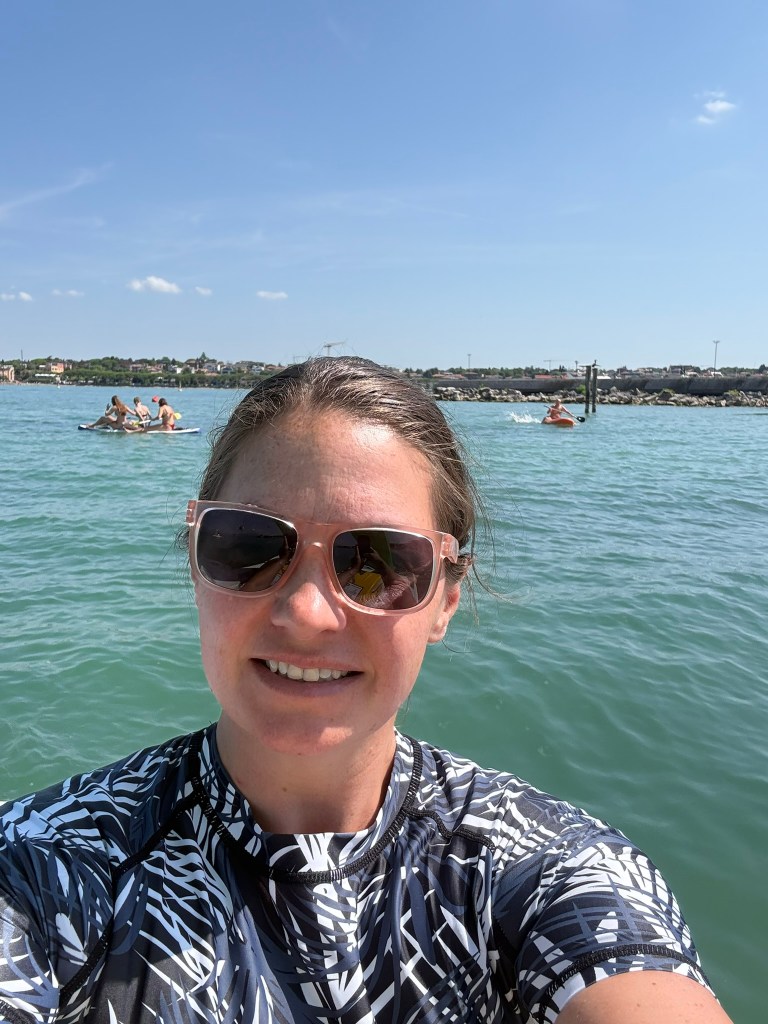
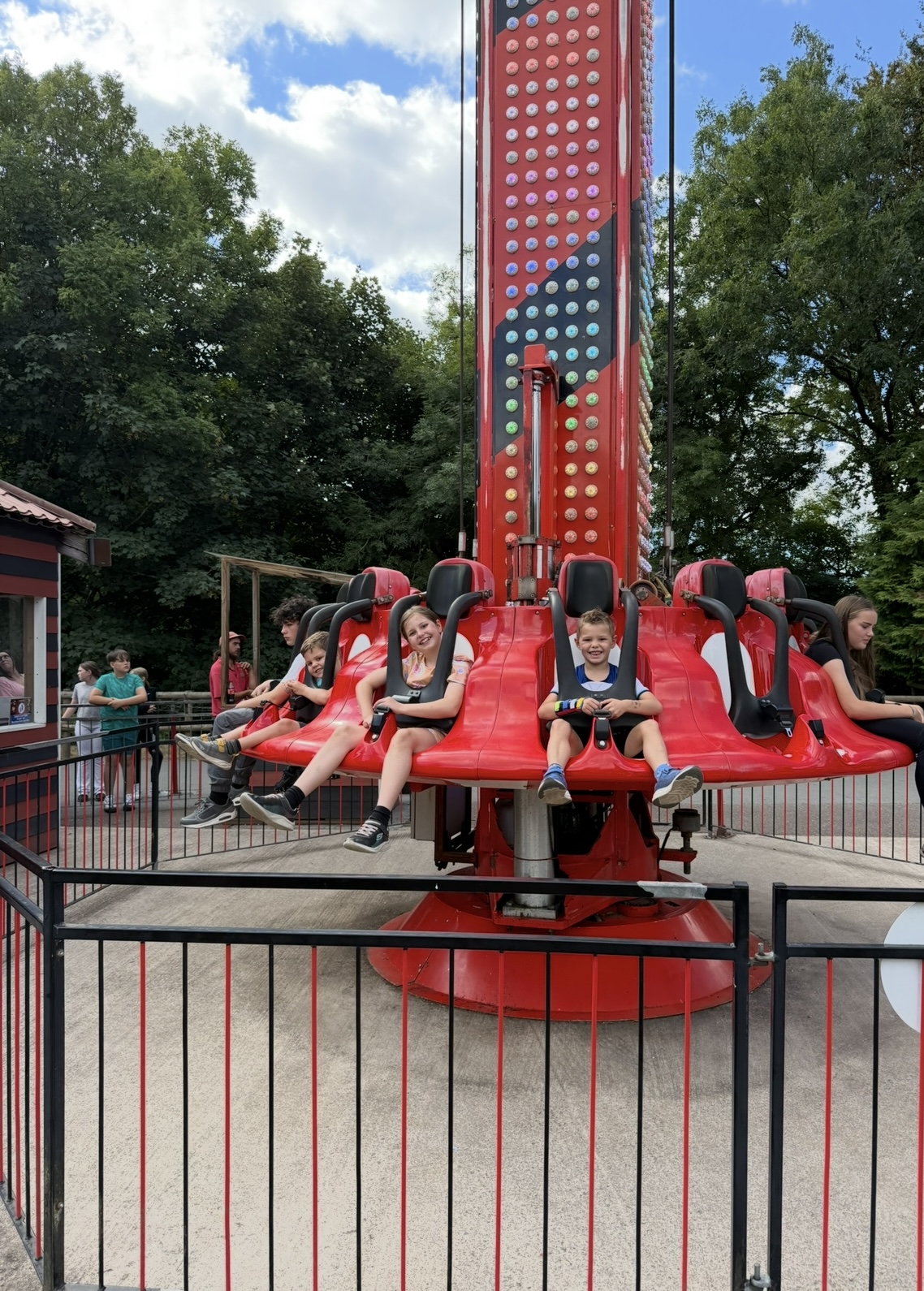
For us, campsite holidays are a brilliant way to travel as a family. Over the past ten years, they’ve become a firm favourite. We love packing up the car and heading off on a European road trip and exploring new places along the way. So far, our campsite adventures have taken us to Belgium, Spain, Netherlands, France and Italy, and we’ve made some fantastic family memories along the way.
Campsite holidays give you your own space, a kitchen, outdoor living and plenty to keep the children entertained, while still offering the freedom to explore beyond the campsite. They can also provide excellent value, particularly for larger families who might otherwise need to book two hotel rooms. The key is to do your research before booking. Choose a campsite that suits your family rather than simply opting for the biggest one or most popular.
Right now, medium-sized campsites are the perfect fit for us. They give our children the freedom to explore and ride their bikes without us worrying that they will get lost. As they get older, I am sure we will move on to some of the larger sites, but we are not quite there yet.
Get those details right, and a campsite holiday could be the perfect match for your family too. Here’s my guide to help you choose the right spot for your family.


When should you book a Eurocamp or campsite holiday?
For the widest choice of campsites, dates and accommodation, it is worth looking early, particularly if you want to travel during the July and August school holidays. Popular parks and larger holiday homes can book up months ahead.
That does not mean early booking is always cheapest. Last-minute offers can be excellent if you are flexible about your destination, dates or accommodation type. Families with preschool children can often save considerably by travelling outside the main school holidays, when campsites are usually quieter too.
- Book early if your dates are fixed or you have a particular campsite or accommodation type in mind.
- Check late deals if you can be flexible about where and when you travel.
- Compare different arrival days. A small change can sometimes affect the total price.
- Look at the full holiday cost, including travel, extras and spending money, rather than the accommodation price alone.
Decide what matters most to your family
It is very easy to be distracted by the biggest pool complex or the most impressive photographs. Start by making a short list of your non-negotiables. What makes one family happy may be completely unnecessary for another.
- Do you want a large waterpark, slides or a splash area for younger children?
- Is direct access to a beach or lake important?
- Would you like to walk into a town, or are you happy to drive?
- Do you want a kids’ club, sports, evening entertainment or a quieter campsite?
- Do you need restaurants and a well-stocked shop on site?
- Is a barbecue allowed and, if so, what type?
- Do you want a campsite that works as a resort, or a base for exploring the local area?
Once you know your priorities, it becomes much easier to rule campsites in or out. Reading recent family reviews can also reveal details that do not always appear clearly in the official description.


Check the campsite location properly
A campsite can be advertised as being near town, beach or attraction without being close enough to walk. Check the actual address on a map and look at realistic driving or public transport times.
- How far is the nearest supermarket?
- Can you walk safely to the beach, town or train station?
- Will you need a car to explore?
- Are the places you want to visit practical as day trips?
- Is the site very large, hilly or difficult with a pushchair?
We love using a campsite as a base for visiting local markets, villages, beaches and cities. A slightly simpler campsite in the right location can sometimes give you a much better holiday than a huge resort that leaves you too far from everything else.
Choosing the accommodation
Campsite accommodation is usually priced per holiday home rather than per person, which can work particularly well for larger families. However, two homes described as sleeping the same number of people may have very different layouts, facilities and outdoor spaces.
The more affordable ranges are often perfectly comfortable but simpler. Higher ranges may offer more space, a larger or covered deck, better outdoor furniture, extra bathrooms or a more modern finish. Do not rely on the category name alone. Open the specification for the exact accommodation at your chosen campsite.
- Check the number of bedrooms and the size and layout of the beds.
- Confirm whether bed linen and towels are included or cost extra.
- Look for air conditioning if you are travelling somewhere hot. Check whether its use is unlimited or restricted.
Check whether there is a dishwasher, oven, microwave, coffee machine and barbecue. Most holiday homes have a practical kitchen, but most do not have a conventional oven. That is worth knowing before you plan meals or arrive with food that you cannot cook.
- Look carefully at the deck, shade and outdoor dining space.
- Check whether a cot will fit without blocking access around a bedroom. Normally a cot would not fit in the master bedroom anywhere, when we used a cot we folded down one of the singles beds and replaced with the cot.
- If you have younger children, look for gated decking and the distance to roads or water.


Ask about your pitch location
Your pitch can make a surprising difference. A central location may be convenient for the pool and entertainment but noisier in the evening. A quieter edge-of-site pitch may involve a long walk every time somebody forgets their goggles.
- Ask whether you can request a quiet pitch, shade or proximity to friends travelling with you.
- Check how close the accommodation may be to the bar, stage, main road, bins or service areas.
- Look at campsite maps and recent reviews, but remember that requests are not always guaranteed.
Work out how you will get there
Driving gives you the most flexibility and makes it easier to bring food, bedding and all the extra bits that family holidays seem to require. It also gives you a car for day trips once you arrive.
For crossings from the UK, compare the overall journey rather than simply the headline fare. Ferries can be cheaper and give everyone a proper break, while LeShuttle is generally faster. Factor in fuel, tolls, overnight stops and the distance from your arrival port to the campsite.
Flying can work well for campsites near an airport, but check transfer costs and whether you will need to hire a car. Many campsites are rural, and the cheapest flight can become an expensive option once luggage, car hire and child seats are added.


Check what is included before you pay
The headline price may not be the final price. Open the booking summary and make a note of anything you still need to add or bring.
- Bed linen and towels
- Travel cot, highchair or baby equipment
- Cleaning charge or end-of-stay cleaning requirements
- Local tourist tax or campsite wristbands
- Air conditioning or utility limits
- Pool access, waterpark sessions or activity charges
- Wi-Fi, parking and electric vehicle charging
- Travel insurance and breakdown cover
Also check the deposit, cancellation terms and payment schedule. Offers can differ, so save a copy of exactly what was included when you booked.
Plan for your arrival day
Do not assume the campsite shop or restaurants will still be open if you arrive late, particularly on a Sunday or outside peak season. We always travel with enough for a simple first meal, breakfast, drinks and essential toiletries.
- Check reception opening hours and the late-arrival procedure.
- Save the campsite address, booking reference and contact number offline.
- Bring toilet roll, hand soap, washing-up supplies and a few basic groceries for the first night.
- Check whether you need cash for tourist tax, deposits, tolls or campsite facilities.
Common booking mistakes to avoid
- Choosing a campsite for its pool without checking its location or the age and height restrictions on slides.
- Assuming linen, towels and cleaning are included.
- Booking accommodation without checking for air conditioning or a suitable bed layout.
- Ignoring the pitch location and ending up beside a noisy entertainment area.• Arriving late with no food when the campsite shop is closed.
- Underestimating the cost or length of the journey from the UK.
- Staying on site for the whole holiday without researching what there is to explore nearby.


My final campsite booking checklist
- Dates and cancellation terms checked
- Campsite facilities match our children’s ages and interests
- Local area and day trips researched
- Exact accommodation layout and facilities checked
- Air conditioning, linen, towels and cleaning confirmed
- Pitch preferences requested
- Journey, tolls, fuel, crossings or flights priced
- Arrival-day food and essentials planned
Useful next reads
- We’re huge Eurocamp fans, and you’ll find plenty more campsite reviews, packing tips and European family holiday inspiration here on Saving & Sandcastles. Why not check out our campsite reviews.
- Read about our trip to Lake Garda for some inspiration
- Read about packing tips for your Eurocamp trip
Never miss an update
Sign up to my mailing list to receive new posts!